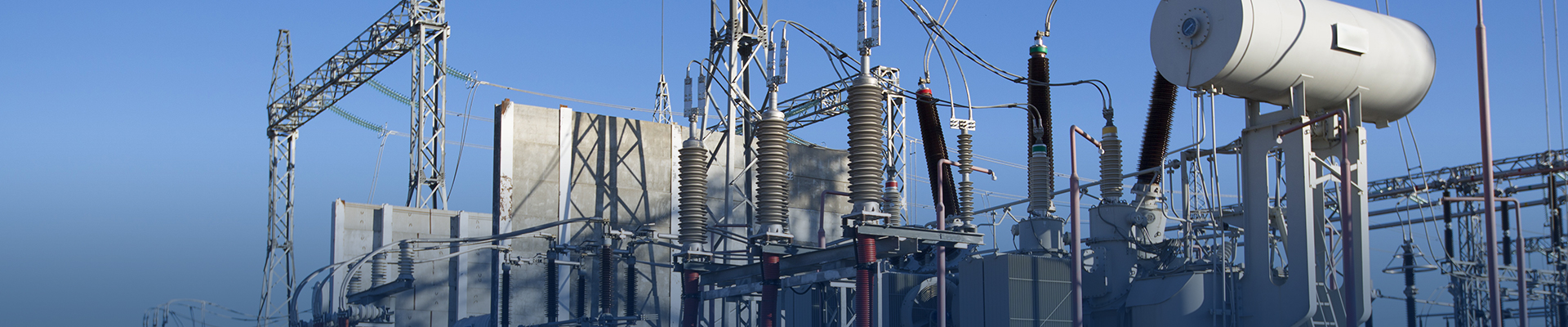
A voltage transformer is a critical piece of electrical equipment used to convert voltage from one level to another. They are widely applied in power transmission, distribution networks, and electronic devices. Below are some of the most common uses for voltage transformers, along with examples of their applications:

Voltage transformers consist of a primary and secondary coil wound around one or more iron cores. When a voltage is applied to the primary coil, a proportional voltage is induced in the secondary coil, allowing conversion between high and low voltage levels. Some transformers also incorporate additional functions depending on the application. Despite their internal complexity, voltage transformers are straightforward to use, making them suitable for electronic systems ranging from data processing equipment to telecommunications.
Voltage transformers are often employed in power supplies to reduce unwanted electrical noise. By stepping down the incoming voltage, they help minimize fluctuations and interference, ensuring a smooth and stable power supply to connected devices. This not only enhances device reliability but also improves overall system efficiency, delivering higher performance with lower energy loss.
Voltage transformers also play a key role in converting alternating current (AC) to direct current (DC) through a process known as rectification. Many electronic devices—including computers, smartphones, smartwatches, wireless headphones, and laptops—rely on this conversion to operate. By transforming AC into DC, voltage transformers enable proper device operation while improving energy efficiency and reducing power consumption.
Voltage transformers are also commonly used to provide electrical isolation between circuits. This helps prevent interference caused when one circuit affects another. By acting as a barrier, the transformer allows each circuit to operate independently, ensuring smooth and accurate operation even in the presence of electrical disturbances. Additionally, circuit isolation enhances system safety by reducing the risk of electrical shock or damage to connected equipment.
Voltage transformers can also be used for voltage regulation, maintaining the output voltage of a power supply within a specified range. By stabilizing voltage levels, they help devices operate efficiently and reliably, while minimizing power loss caused by overvoltage or undervoltage conditions.
Voltage transformers are therefore essential components in a wide range of electronic systems. They ensure reliable, safe, and efficient operation, making them indispensable in both industrial and consumer applications.

Electrical Transformer Procurement Checklist: Sizing, Standards, Testing and Delivery
Electrical transformer procurement involves more than requesting several prices for the same kVA rating. A technically incomplete inquiry can produce offers that look comparable but include different insulation levels, losses, etc.
Jul. 30, 2026

How to Choose the Right Electrical Transformer for Your Project
Selecting an electrical transformer is not simply a matter of matching an incoming voltage to an outgoing voltage. The transformer must also support the real load profile, withstand expected fault conditions, operate within the site environment.
Jul. 30, 2026