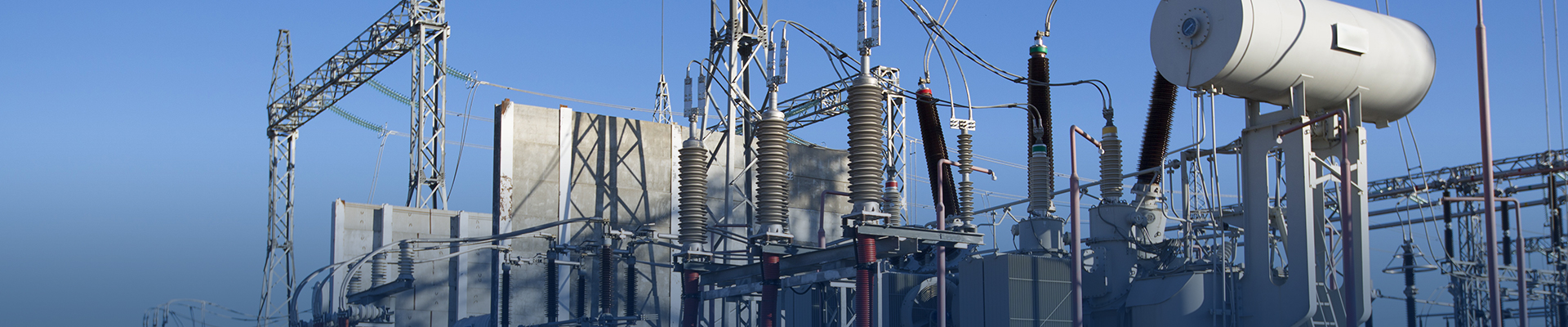
A three-phase oil-immersed power transformer, as defined by international standards, uses oil for cooling and insulation while converting voltages in three-phase electrical systems. You benefit from its balanced operation, which reduces losses and enhances power delivery. Understanding this transformer helps you grasp how three-phase setups drive efficient, reliable energy transmission.
A three-phase oil-immersed power transformer uses oil for cooling and insulation, enhancing efficiency and reducing energy losses.
Key components include the iron core, windings, oil tank, and conservator, all working together to ensure safe and effective operation.
These transformers are essential in various applications, including utilities, industrial plants, and renewable energy, providing reliable power distribution.
A three-phase oil-immersed power transformer contains several key parts that work together to ensure safe and efficient operation in power distribution networks. Each component has a specific function that helps the transformer handle high voltages and heavy loads.
You will find that the iron core and windings form the heart of any three-phase oil-immersed power transformer. Manufacturers use laminated silicon steel for the core because it offers high magnetic permeability and reduces energy losses. The windings, made from copper or aluminum, wrap around the core and carry the electrical current. This design improves efficiency and helps the transformer convert voltages with minimal heat loss.
Tip: Laminated sheets in the core reduce eddy current losses, which keeps the transformer cooler and more efficient.
| Material | Purpose/Properties |
|---|---|
| Silicon Steel | Used for the iron core; affects no-load loss and improves transformer performance. |
| Copper/Aluminum | Commonly used for windings due to their excellent electrical conductivity and efficiency. |
The oil tank in a three phase oil immersed transformer holds the insulating oil and surrounds the core and windings. This tank not only provides a barrier against moisture but also acts as a cooling system. The conservator sits above the main tank and manages oil expansion and contraction as temperatures change. This setup prevents air from mixing with the oil, which helps maintain its insulating properties and extends the life of the oil-filled transformer.
| Function | Description |
|---|---|
| Automatic Oil Volume Regulation | The conservator manages oil levels during temperature changes, ensuring the transformer remains filled with oil while accommodating expansion and contraction. |
| Improved Insulation and Dielectric Strength | By minimizing oil exposure to air, the conservator helps maintain oil quality and dielectric strength, crucial for reliable insulation. |
Insulating oil plays a vital role in every oil-immersed transformer. You rely on this oil to provide both electrical insulation and effective cooling. The oil has high dielectric strength, which prevents electrical breakdowns and reduces the risk of short circuits. It also absorbs and carries away heat produced during operation, keeping the transformer safe and extending its service life. High-quality oil ensures your three-phase oil-immersed power transformer operates reliably, even under demanding conditions.
High dielectric strength prevents electrical discharges.
High specific heat capacity allows efficient cooling.
Low moisture absorption maintains insulation quality.
A well-designed three-phase oil-immersed power transformer uses these components to deliver stable and safe performance in modern power distribution networks.
You can understand the operation of a three-phase oil-immersed power transformer by following a clear step-by-step process. This process ensures efficient voltage conversion and balanced power delivery in three-phase electrical systems.
Input voltage supplied: You start by supplying alternating current (AC) to the primary winding. This winding surrounds a laminated steel core and creates a magnetic field.
Magnetic flux induction: The AC causes the magnetic field to expand and collapse. This changing magnetic flux passes through the core and induces a voltage in the secondary winding.
Voltage transformation: The number of turns in the primary and secondary windings determines if the transformer steps the voltage up or down. This ratio controls the output voltage.
Cooling and insulation: The entire assembly sits in insulating oil. This oil cools the transformer and prevents electrical breakdown.
Output voltage supplied: The secondary winding delivers the transformed voltage to the external circuit, ready for use in power distribution networks.
This working principle allows the three-phase oil-immersed power transformer to provide stable voltage conversion and maintain three-phase balance, which is essential for reliable energy transmission.
You benefit from several important advantages when you use a three phase oil immersed transformer in your system.
High Load Capacity: These transformers handle large amounts of power. In industrial and utility settings, you often see capacities ranging from 25 MVA to over 1,200 MVA.
Efficient Cooling: Oil-immersed transformers use insulating oil to transfer heat away from the core and windings. This method works much better than air cooling, especially under heavy loads.
| Transformer Type | Cooling Efficiency | Heat Transfer Method |
|---|---|---|
| Oil-immersed Transformers | Higher | Effective heat transfer properties of insulating oil |
| Air-cooled Transformers | Lower | Air circulation, less effective under high load conditions |
Long Service Life: With proper maintenance, you can expect an oil-filled transformer to last 20 to 40 years. Regular checks and oil testing help extend its lifespan.
Reduced Energy Losses: The design of a three-phase oil-immersed power transformer minimizes iron and copper losses. Laminated steel cores and high-quality windings help you achieve high efficiency and reduce overall energy losses in your system.
Balanced Power Supply: The three-phase design provides a stable and balanced power supply, which lowers the risk of overloads and equipment failures.
Adaptability: You can use these transformers in harsh environments, including areas with high fire protection requirements or extreme weather.
Compliance and Safety: Most units meet international standards such as IEC 60076, which ensures safety, reliability, and legal compliance in over 80 countries.
Note: Oil-immersed transformers require regular maintenance, such as checking oil levels and testing dielectric strength, to ensure safe and reliable operation.
You will find three-phase oil-immersed power transformers in a wide range of settings. Their robust design and high capacity make them essential in modern infrastructure.
| Application Scenario | Description |
|---|---|
| Utilities | Essential in power distribution networks for stepping down voltage. |
| Industrial Plants | Commonly used to power heavy machinery and fit into small spaces. |
| Renewable Energy | Used in solar farms and wind power installations to connect to the grid. |
| Railway Electrification | Ensures stable power delivery to high-speed systems. |
| Commercial Complexes | Supports large commercial infrastructure with outdoor installations. |
In utilities, you rely on these transformers to step down high transmission voltages for local distribution.
In industrial plants, you use them to power heavy machinery and maintain efficient operations.
In renewable energy projects, such as solar farms and wind installations, these transformers connect variable power sources to the main grid.
For railway electrification, they deliver stable power to high-speed trains and signaling systems.
In commercial complexes and data centers, you depend on oil-immersed transformers for reliable, large-scale power distribution.
You also see these transformers in construction projects, hospitals, and environments that demand high fire protection. Their ability to handle high loads and provide efficient voltage transformation makes them a cornerstone of three-phase electrical systems.
You now understand how a three-phase oil-immersed power transformer supports reliable energy transmission.
| Performance Characteristic | Description |
|---|---|
| Reliability | High operational reliability ensures continuous performance under varying load conditions. |
| Efficiency | Low loss and low noise operation contribute to energy conservation and minimal environmental impact. |
| Adaptability | Suitable for environments with large shock loads and frequent load changes, ensuring stable power supply even in challenging conditions. |
| Overload Capability | Capability to handle overloads up to 2 times the rated capacity for specified durations without compromising service life. |
| Longevity | Longevity ensured through vacuum oil injection processes that eliminate moisture and prevent degradation of insulation materials over a potential service life of 20 years. |
You benefit from efficient voltage conversion and stable power supply.
This equipment remains essential for modern power grids.
You should check oil levels, test dielectric strength, and inspect for leaks. Regular maintenance helps you keep your transformer safe and efficient.
You can expect a service life of 20 to 40 years. Proper care and routine inspections help you extend its lifespan.
Yes, you can install this transformer outdoors. Its design resists weather and provides reliable performance in many environments.

Electrical Transformer Procurement Checklist: Sizing, Standards, Testing and Delivery
Electrical transformer procurement involves more than requesting several prices for the same kVA rating. A technically incomplete inquiry can produce offers that look comparable but include different insulation levels, losses, etc.
Jul. 30, 2026

How to Choose the Right Electrical Transformer for Your Project
Selecting an electrical transformer is not simply a matter of matching an incoming voltage to an outgoing voltage. The transformer must also support the real load profile, withstand expected fault conditions, operate within the site environment.
Jul. 30, 2026