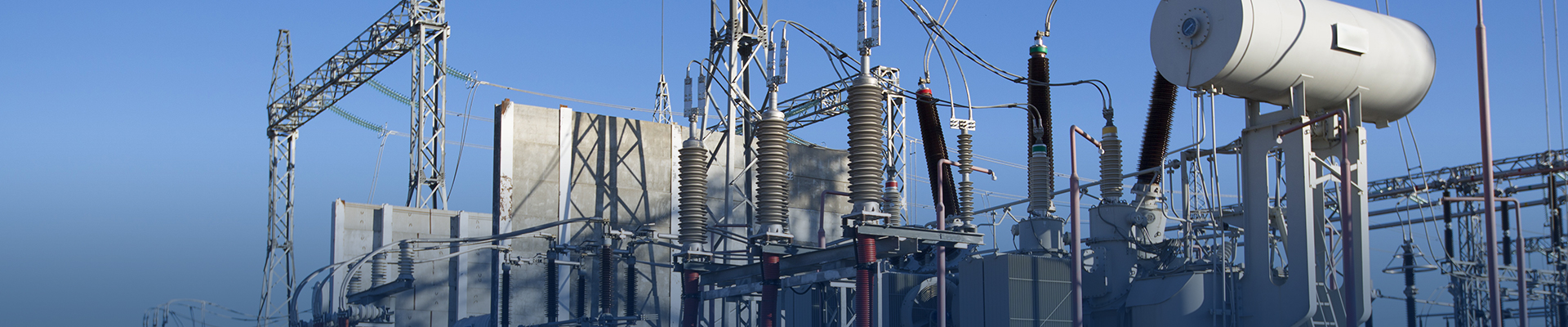
A low voltage dry transformer steps down or steps up AC voltage safely for your electrical systems. You find air, not oil, as the main insulation in a low voltage dry transformer. You rely on a low voltage dry transformer for safer operation. This transformer boosts efficiency. You improve system safety using a low voltage dry transformer.
Low voltage dry transformers safely convert electrical voltage using air insulation, making them ideal for homes, offices, and factories.
These transformers enhance safety by using flame-retardant materials and eliminating the risk of oil leaks, reducing fire hazards.
Regular maintenance, including inspections and cleaning, is crucial for ensuring the longevity and efficiency of low voltage dry transformers.
You use a low voltage transformer when you need to convert electrical voltage safely in homes, offices, or factories. A low voltage transformer operates within a voltage range of 12V to 600V. You find air, not oil, as the main insulation in these transformers. This design makes low voltage transformers safer and more reliable for indoor and populated environments.
Tip: You can check the voltage range and application type for low voltage transformers in the table below.
| Voltage Range | Application Type |
|---|---|
| 600V or below | Industrial, Commercial, Residential |
You benefit from several important features when you choose a low voltage transformer:
Safety: Low voltage transformers use flame-retardant materials and do not contain flammable liquids. This eliminates the risk of fire or explosion.
Reliability: You get consistent performance because these transformers use air insulation and robust construction.
Typical Construction: You find primary and secondary windings, which help transfer energy efficiently.
| Feature | Description |
|---|---|
| Flame Retardant Material | Made of heat and fireproof material with excellent moisture resistance. |
| No Risk of Fire/Explosion | Designed to eliminate the risk of fire or explosion. |
You also see that air insulation in low voltage transformers removes the risk of oil leaks and fire hazards. These transformers meet strict safety standards, especially in high-rise buildings and tunnels.
You find several main components in every low voltage transformer. Each part plays a specific role in safe and efficient operation.
| Component | Role in Operation |
|---|---|
| Core | Minimizes energy loss and improves efficiency. |
| Primary winding | Generates a magnetic field to start energy transfer. |
| Secondary winding | Receives energy and delivers the required voltage to your load. |
| Insulation | Keeps electrical parts separate and prevents short circuits. |
| Cooling Mechanisms | Maintains safe temperature using air flow. |
| Enclosure | Protects internal parts from dust, moisture, and accidental contact. |
| Terminals | Connects the transformer to your electrical system. |
| Tap Changer | Lets you adjust voltage output as needed. |
| Grounding System | Directs electrical faults safely into the ground. |
| Temperature Monitoring | Alerts you to overheating and helps prevent damage. |
You often see silicon steel or amorphous steel used in the core to improve efficiency and durability. Some low voltage transformers now include smart sensors for real-time monitoring. You can rely on these advancements for better safety and performance.
You rely on the working principle of electromagnetic induction when you use a low voltage transformer. This principle allows you to convert high voltage electricity to a lower voltage, or vice versa, depending on your needs. You connect the primary coil to the high voltage source. The secondary coil connects to your low voltage load. When alternating current flows through the primary coil, it creates a changing magnetic field. This field induces an alternating current in the secondary coil. The voltage transformation ratio depends on the number of turns in each coil. If the secondary coil has fewer turns than the primary, you step down the voltage. If it has more turns, you step up the voltage.
You use electromagnetic induction to transfer energy between coils.
The primary coil receives electricity and generates a magnetic field.
The secondary coil sits within this field and picks up the induced current.
The voltage transformation ratio is set by the turns ratio between the coils.
You achieve efficient voltage conversion without direct electrical contact between the coils.
You find that the transformer uses air as insulation, which keeps the coils separated and safe. This design prevents short circuits and supports reliable operation in low voltage systems. You can trust this working principle to deliver safe and efficient voltage conversion for your applications.
You use low voltage transformers in many environments where safety and efficiency matter. These transformers support low voltage lighting, low voltage control, and other low voltage systems. You often see them in commercial, industrial, and renewable energy settings.
| Application Area | Description |
|---|---|
| Renewable Energy Systems | You convert and distribute electricity in wind farms and solar power installations. |
| Data Centers | You ensure reliable power distribution and voltage conversion for IT infrastructure. |
| Commercial Buildings | You power lighting, HVAC, and elevators in offices, shopping centers, and hospitals. |
| Industrial Facilities | You supply energy to machinery and control systems in manufacturing plants and warehouses. |
You also use low voltage transformers for low voltage lighting in outdoor spaces, landscape designs, and architectural features. In control panels, you depend on these transformers for low voltage control circuits, which operate safely and efficiently. You find them essential in environments where you need to reduce fire risk and meet strict safety standards.
You gain several advantages when you choose a low voltage transformer over an oil-filled transformer.
| Advantage | Description |
|---|---|
| Enhanced Safety | You reduce fire risk because the transformer uses solid insulation and contains no flammable oil. |
| Simplified Maintenance | You avoid oil leaks and lower your maintenance costs. Some units require almost no maintenance. |
| Installation Flexibility | You install these transformers indoors, saving space and reducing fire protection requirements. |
| Environmental Adaptability | You operate reliably in humid or dusty conditions. Solid insulation resists moisture. |
| Reduced Environmental Impact | You eliminate oil leakage, which helps protect the environment. |
You also benefit from energy savings. Low voltage transformers last longer and waste less energy as heat. You lower your electricity costs and support sustainability goals in your building.
However, you should consider some limitations:
You get lower power capacity compared to oil-filled transformers, which limits use in high-demand applications.
You pay higher initial costs due to specialized materials.
You need more space for installation because of the larger physical size.
You may notice increased noise and vibration, which sometimes requires soundproofing.
You expect a typical lifespan of 20 to 30 years, shorter than oil-filled units.
You must keep the transformer clean, as dust and contaminants can affect performance.
You see reduced heat dissipation, which can impact performance during heavy loads.
You cannot handle temporary overloads as well as oil-filled transformers.
You should weigh these factors when selecting a transformer for your low voltage lighting, low voltage control, or other low voltage systems.
You keep your low voltage transformer running smoothly by following a regular maintenance schedule. You perform visual inspections at least every six months. You check for dust, loose connections, and signs of overheating. You tighten hardware and clean the enclosure every year. You test voltage drop and insulation resistance as part of annual maintenance.
| Maintenance Task | Frequency |
|---|---|
| Visual inspections | At least once every six months |
| Tightening checks | At least once every 12 months |
| Cleaning | Every 12 months or as needed |
| Voltage drop testing | During annual maintenance or if concerns arise |
| Infrared inspections | Annually or during suspected overheating |
| Continuity testing | Part of annual maintenance |
| Insulation resistance testing | Every three years or sooner if needed |
| Relay and circuit breaker checks | Annually |
Tip: Always de-energize the transformer and use lockout/tagout procedures before maintenance. Wear personal protective equipment and ensure the area is dry.
You follow regulatory guidelines, such as keeping 6 inches of ventilation space and not storing items on top of the transformer. You clean the transformer at least once a year to prevent dust buildup. You record test results as required by standards like NFPA 70B and NEC.
You avoid common causes of failure by choosing quality equipment, installing it correctly, and not overloading the transformer. You monitor for power surges and address any issues quickly. With proper care, your low voltage transformer can last 20 to 30 years or more.
You now understand that a low voltage dry transformer safely converts voltage using air insulation. You use it in many settings for reliable, efficient power. When selecting a transformer, consider:
Voltage requirements
Load capacity
Location and environment
Maintenance and lifespan
Safety and compliance
The right transformer boosts safety and efficiency by managing harmonics and meeting standards.
| Factor | Description |
|---|---|
| Load Percentage | Most efficient at 50%–100% load; efficiency drops at very low loads. |
| Core Material | Silicon steel or amorphous metal cores improve efficiency. |
| Copper vs. Aluminum | Copper windings reduce losses; aluminum is less efficient. |
| Cooling Type | Dry-type transformers reach 95%–98% efficiency. |
| Regulatory Standards | Compliance minimizes losses and improves performance. |
Choose wisely to match your application and ensure long-term safety.
You use air for insulation in a dry transformer. Oil-filled transformers use oil for cooling and insulation. Dry transformers offer safer indoor operation.
You should inspect your transformer every six months. Look for dust, loose connections, and signs of overheating. Regular checks help prevent failures.
You can install some models outdoors.
Always check the enclosure rating.
Use weatherproof units for outdoor environments.

Electrical Transformer Procurement Checklist: Sizing, Standards, Testing and Delivery
Electrical transformer procurement involves more than requesting several prices for the same kVA rating. A technically incomplete inquiry can produce offers that look comparable but include different insulation levels, losses, etc.
Jul. 30, 2026

How to Choose the Right Electrical Transformer for Your Project
Selecting an electrical transformer is not simply a matter of matching an incoming voltage to an outgoing voltage. The transformer must also support the real load profile, withstand expected fault conditions, operate within the site environment.
Jul. 30, 2026