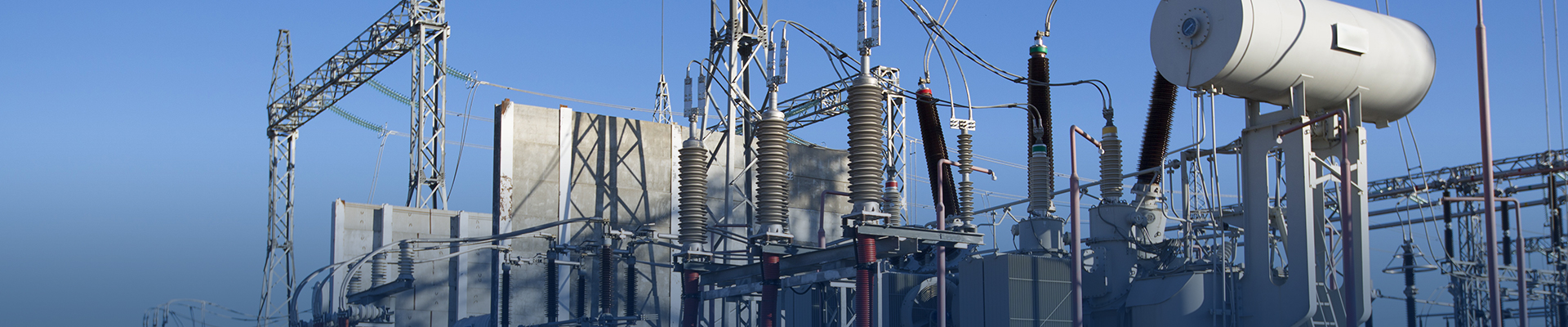
A high voltage power transformer lets you convert high-voltage AC power to low-voltage AC power or the other way around. According to IEC 60076, you find these transformers rated up to 765 kV:
| Aspect | Details |
|---|---|
| Standard | IEC 60076 |
| Voltage Rating | Up to 765 kV |
| Coverage | Design, manufacturing, testing, and commissioning of power transformers |
| Types Included | Single-phase, three-phase transformers, autotransformers, and reactors |
You usually see "high voltage" starting at 110 kV and going much higher:
| Voltage Level | Application Description |
|---|---|
| 110kV | For regional power distribution, higher voltages are stepped down for industrial and commercial use. |
| 220kV | Ideal for long-distance transmission, linking power stations with substations to minimize energy loss. |
| 420kV | Used in the backbone of the power grid for inter-regional transmission of significant power loads. |
| 500kV | Designed for ultra-high voltage lines, connecting major cities or provinces to ensure grid stability. |
| 750kV | For high-capacity, long-distance transmission lines, often spanning countries or continents for efficient power delivery. |
You use a transformer to step voltage up or down, which makes power transmission more efficient and safe. The device works by electromagnetic induction, transferring energy between circuits. You benefit from safer systems, less energy loss, and better equipment isolation.
High voltage power transformers convert high-voltage AC power to low-voltage AC power, ensuring safe and efficient electricity transmission.
These transformers are crucial for reducing energy loss during long-distance power transmission, making them essential for a reliable electrical grid.
Regular maintenance, including oil level checks and insulation inspections, is vital for extending the lifespan and performance of high voltage power transformers.
You encounter a high voltage power transformer when you need to manage large amounts of electrical energy in power systems. This device handles voltages much higher than what you find in homes or small businesses. Most countries classify transformers as "high voltage" when they operate above 33 kV, but you often see these devices working at even higher levels.
Tip: You can use the following table to compare voltage classes and their typical applications:
| Voltage Class | Typical Voltage Range | Transformer Application |
|---|---|---|
| High Voltage (HV) | 66 kV – 220 kV | Substations, primary distribution |
| Extra-High Voltage (EHV) | 220 kV – 400 kV | Transmission networks |
| Ultra-High Voltage (UHV) | 500 kV – 765 kV | Long-distance bulk power transfer |
A high voltage power transformer stands apart from medium and low voltage transformers. You see this difference in both construction and application. High voltage units use robust insulation and advanced cooling systems because they must handle more stress and heat. Here is a quick comparison:
| Transformer Type | Voltage Range | Application | Key Characteristics |
|---|---|---|---|
| High Voltage | 35 kV and above | Power transmission and main substations | Robust insulation, complex cooling, large size |
| Medium Voltage | 1 kV to 50 kV | Sub-transmission and industrial applications | Moderate size, standard insulation |
| Low Voltage | Below 1 kV | Local distribution and end-user consumption | Compact, easier maintenance, integrated protection |
You usually find high voltage power transformers in substations and along transmission lines. These devices help move electricity efficiently across cities, regions, or even countries.
You rely on a high voltage power transformer to step voltage up or down in AC power systems. This function is essential for moving electricity over long distances without losing too much energy. When you send power from a generating station, you use a transformer to increase the voltage. This step reduces current and energy loss during transmission. When the electricity reaches its destination, another transformer lowers the voltage to a safer level for homes and businesses.
You use these transformers to:
Convert high voltage to low voltage for safe distribution.
Enable efficient transmission of electricity over long distances.
Make sure voltage levels match the needs of different users.
Note: Without high voltage power transformers, you would face much higher energy losses and less reliable power delivery.
You see these transformers as the backbone of the electrical grid. They ensure that electricity travels safely and efficiently from power plants to your home or workplace.
You can understand the operation of a high voltage power transformer by looking at electromagnetic induction. This principle allows the transformer to transfer energy between two windings, called the primary and secondary, without any direct electrical connection. When alternating current flows through the primary winding, it creates a changing magnetic field. The transformer's core guides this magnetic field so that it passes through the secondary winding. As the magnetic field changes, it induces an electromotive force (EMF) in the secondary winding. This process, known as mutual induction, lets you transfer energy efficiently from one circuit to another.
Note: The number of turns in each winding determines how much the voltage changes. Faraday's Law explains this relationship, showing that a greater number of turns in the secondary winding increases the output voltage, while fewer turns decrease it.
You rely on a high voltage power transformer to change voltage levels for different stages of the power system. At a power plant, you use a step-up transformer to increase the voltage before sending electricity over long transmission lines. This process works like this:
Step-up transformers have fewer turns in the primary winding and more turns in the secondary winding.
The transformer increases the voltage from the generator to a much higher level.
Higher voltage means lower current, which reduces energy loss as electricity travels over long distances.
You see this process as essential for efficient power transmission. By raising the voltage, you minimize the amount of energy lost as heat in the wires.
When electricity reaches a substation near homes or businesses, you need to lower the voltage to a safe level. Here, a step-down transformer comes into play:
Step-down transformers have more turns in the primary winding and fewer in the secondary.
The transformer reduces the high transmission voltage to a level suitable for distribution.
Lower voltage ensures that electricity can be safely delivered to homes, schools, and businesses.
A distribution transformer performs this final step. It reduces the voltage so that you can use electricity safely in everyday devices. Step-down substations, located close to end-users, make sure that the voltage matches what your appliances and equipment need. As the transformer lowers the voltage, it increases the current, making the energy usable for your needs.
Tip: You can think of a high voltage power transformer as a bridge that adapts electricity for each stage of its journey, from generation to final use.
You find the core at the heart of every high voltage power transformer. The core supports the windings and channels the magnetic field between them. Manufacturers use materials like laminated silicon steel, grain-oriented electrical steel, and amorphous steel to build the core. These materials help reduce energy losses and improve efficiency.
| Material | Key Properties |
|---|---|
| Laminated Silicon Steel | Minimizes energy losses, reduces eddy currents |
| Grain-Oriented Electrical Steel | High permeability, reduces hysteresis losses |
| Amorphous Steel | Low core losses, boosts efficiency |
The core’s shape and lamination also play a big role. Laminations cut down on eddy current losses, which keeps your transformer running efficiently.
You see windings wrapped around the core. These coils carry the electrical current and transfer energy between the primary and secondary sides. High voltage transformers often use multilayer helical windings or disc windings. Multilayer helical windings work well for voltages above 110 kV and improve surge performance. Disc windings, made from several conductor discs, offer strength and reliability for transformers above 25 kV.
| Type of Winding | Characteristics |
|---|---|
| Multilayer Helical | Several cylindrical layers, great for high voltage |
| Disc | Robust, uses conductor discs in series |
| Continuous Disc | Multiple flat coils, high mechanical strength |
You rely on insulation to keep transformer parts safe from electrical breakdown. Insulating materials like oil-impregnated paper, pressboard, and epoxy separate the core and windings. Mineral oil and synthetic fluids also help with electrical insulation and cooling. This system prevents current leakage and ensures safe operation under high voltage.
Tip: Good insulation keeps your transformer reliable and extends its lifespan.
You find the tank as the main body of the transformer. It houses the core, windings, and insulating oil. The tank provides electrical insulation, helps dissipate heat, and supports protective devices. It also keeps the transformer safe under different operating conditions, making sure all internal parts stay secure and cool.
You see a high voltage power transformer at the core of every major power generation facility. These transformers help you manage electricity from the moment it leaves the generator. Here are some key ways you use them:
Step down electricity for safe use in homes and neighborhoods.
Adjust voltage levels to meet the needs of factories and industrial sites.
Step up voltage for long-distance transmission, which reduces energy loss.
Integrate renewable energy sources, such as wind or solar, into the main grid.
Provide stable power for commercial buildings and urban infrastructure.
When you use a high voltage power transformer, you make sure that electricity from different sources can safely and efficiently reach every user.
You rely on high voltage power transformers to move electricity across cities, regions, and even countries. These transformers step up the voltage at the power plant, sometimes as high as 765 kV, so you can send electricity over long distances with minimal loss. When the electricity reaches its destination, you use step-down transformers to lower the voltage for local distribution. This process keeps the grid stable and ensures that every user gets the right voltage.
To accomplish high-voltage transmission, step-up transformers are employed at the generating site to raise the voltage to levels ranging from 115 kV to 765 kV or more, depending on transmission distance and other system requirements.
You depend on high voltage power transformers to keep your electrical systems safe. These devices provide electrical isolation between circuits, which protects your equipment from faults and disturbances. They also block direct current (DC), which can damage sensitive devices. You can trust these transformers to meet strict safety standards, as shown in the table below:
| Standard | Description |
|---|---|
| UL | Underwriters' Laboratories standards ensure safety testing for transformers in the US market. |
| IEEE | Governs performance standards for industrial electronics equipment, particularly in high-power environments. |
| DOE 2016 | Sets efficiency criteria for transformers in the US, particularly for those not exceeding 2500kVA. |
| NEMA | Establishes requirements for transformer enclosure protection levels. |
| ANSI | Includes various standards for different types of transformers, ensuring safety and performance. |
Good safety and isolation features help you avoid costly outages and protect both people and equipment.
You rely on a high voltage power transformer to boost or reduce voltage, making power transmission efficient and safe. Its core, windings, insulation, and tank work together to minimize energy loss. You see these transformers in substations, ensuring reliable electricity delivery to homes, businesses, and essential services every day.
You should check oil levels, inspect insulation, and test for overheating. Regular maintenance helps you prevent failures and extend the transformer's lifespan.
Tip: Schedule inspections every six months for best results.
You may notice unusual noises, oil leaks, or overheating. Electrical tests can also show problems. Early detection helps you avoid costly outages.
Yes, you can connect wind or solar farms to the grid using high voltage transformers. These devices help you match voltage levels and ensure safe, efficient power delivery.
| Application | Benefit |
|---|---|
| Wind/Solar Farms | Grid integration, safety |

Electrical Transformer Procurement Checklist: Sizing, Standards, Testing and Delivery
Electrical transformer procurement involves more than requesting several prices for the same kVA rating. A technically incomplete inquiry can produce offers that look comparable but include different insulation levels, losses, etc.
Jul. 30, 2026

How to Choose the Right Electrical Transformer for Your Project
Selecting an electrical transformer is not simply a matter of matching an incoming voltage to an outgoing voltage. The transformer must also support the real load profile, withstand expected fault conditions, operate within the site environment.
Jul. 30, 2026