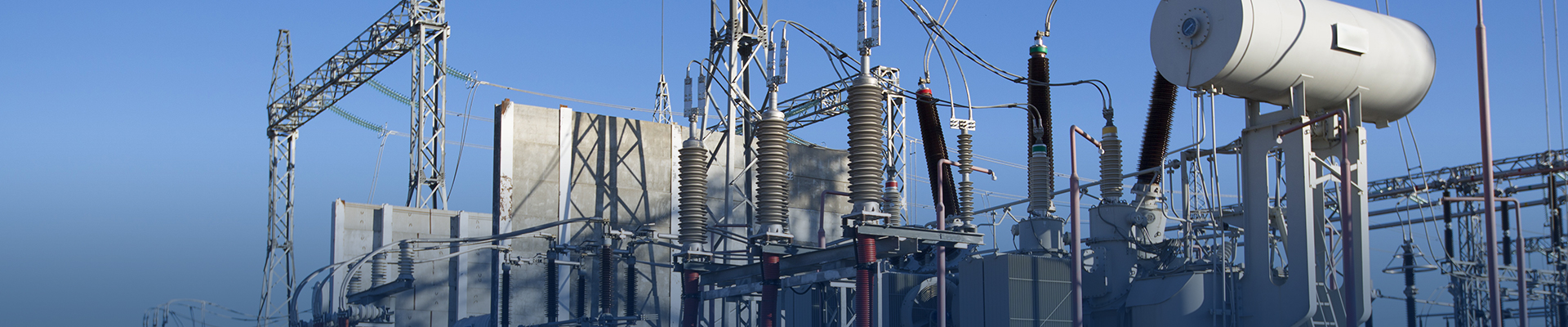
High voltage power transformers play a critical role in modern electrical infrastructure. They are no longer used only for traditional power transmission and distribution; today, they support smart grids, renewable energy projects, industrial automation, railway electrification, data centers, high-power testing systems, and many other demanding applications. As global power demand increases and electrical systems become more complex, high voltage power transformers are expected to deliver higher efficiency, better voltage stability, stronger insulation performance, and long-term operational reliability.
At their core, high voltage power transformers are designed to transfer electrical energy between circuits through electromagnetic induction. They can step up voltage for long-distance transmission or step down voltage for industrial, commercial, or utility distribution. By increasing voltage and reducing current during transmission, they help reduce energy losses and make large-scale power delivery more efficient. However, compared with low-voltage or standard distribution transformers, high voltage transformers require more advanced insulation systems, stronger mechanical structures, effective cooling design, and careful control of electrical stress.

One of the most important applications of high voltage power transformers is in utility transmission networks. Power plants often generate electricity at voltage levels that are not suitable for long-distance transmission. Step-up transformers increase the voltage before electricity enters the transmission grid, helping reduce current and minimize resistive losses across long distances.
At the receiving end, step-down transformers reduce the voltage to levels suitable for regional substations, industrial facilities, and local distribution networks. In this process, high voltage transformers help maintain stable power flow, improve grid efficiency, and support reliable electricity supply for cities, factories, transportation systems, and critical infrastructure.
Modern transmission networks also face fluctuating loads, renewable energy inputs, and increasing demand from electrified industries. For this reason, many high voltage power transformers are equipped with tap changers, monitoring sensors, and protection systems to help regulate voltage under changing operating conditions.
Smart grids require equipment that can support real-time monitoring, flexible voltage regulation, and efficient energy management. High voltage power transformers are an essential part of this modernization. In smart grid systems, transformers may be integrated with digital monitoring devices that track temperature, oil condition, load status, partial discharge, vibration, and other operating data.
This data helps utility operators detect early signs of transformer aging or abnormal operation before a failure occurs. Predictive maintenance reduces downtime, improves safety, and extends transformer service life. Smart transformers can also help manage bidirectional power flow, especially when solar farms, wind farms, battery energy storage systems, and distributed generation sources are connected to the grid.
As more cities upgrade their electrical infrastructure, high voltage power transformers will continue to support more reliable, efficient, and intelligent power networks.
Renewable energy is one of the fastest-growing application areas for high voltage power transformers. Solar farms and wind farms are often located far away from major consumption centers, which means the electricity they generate must be stepped up for efficient transmission to the grid.
In solar power plants, transformers help convert and deliver power from inverter systems to medium- or high-voltage collection networks. In wind power projects, transformers are used to step up the voltage generated by turbines before the electricity is transferred to substations or transmission lines. Without suitable high voltage transformers, renewable energy projects would face higher power losses, unstable voltage, and reduced grid compatibility.
Renewable energy applications also create special transformer design challenges. Load profiles may fluctuate depending on sunlight, wind speed, weather conditions, and grid demand. Transformers used in these systems must handle variable loading, harmonics from power electronics, outdoor environmental stress, and long operating hours. Proper insulation coordination, thermal management, and harmonic control are especially important.
High voltage power transformers are widely used in heavy industries such as steel production, mining, petrochemical processing, cement manufacturing, paper mills, and large-scale machinery production. These facilities often require large amounts of stable power for motors, furnaces, compressors, pumps, drives, and automation systems.
In industrial environments, electrical loads may be nonlinear, intermittent, or highly demanding. Equipment such as variable frequency drives, rectifiers, welding systems, and induction heating machines can introduce harmonics and thermal stress into the electrical system. Therefore, transformers used in industrial plants must be designed with suitable capacity, cooling methods, insulation class, and short-circuit withstand strength.
For industrial buyers, choosing the right high voltage transformer is not only about voltage and power rating. It is also important to consider continuous load current, peak demand, fault withstand capability, harmonic content, ambient temperature, altitude, installation environment, and future expansion needs.
Railway electrification is another modern application of high voltage power transformers. High-speed rail, metro systems, freight railways, and urban transit networks require stable and reliable power conversion. Transformers are used in traction substations to step down transmission voltage and supply the voltage needed for railway operation.
Railway systems often experience dynamic load changes because trains accelerate, brake, and move across different sections of the network. In some systems, regenerative braking can return power back into the grid. This creates complex power flow conditions that require robust transformer design and stable voltage control.
Transformers used in railway applications must offer strong mechanical performance, high reliability, effective cooling, and protection against voltage surges. In areas with limited space or harsh outdoor conditions, customized transformer design may be required.
As cloud computing, artificial intelligence, digital services, and communication networks expand, data centers are becoming major consumers of electrical power. High voltage power transformers are used to support power distribution from utility supply lines to data center electrical systems.
For data centers, reliability is the top priority. A transformer failure can affect servers, cooling systems, backup power systems, and overall business continuity. Therefore, data center transformers must be designed for high efficiency, stable operation, low losses, and excellent thermal performance.
Because data centers often operate continuously, even small improvements in transformer efficiency can reduce long-term energy costs. Transformers for data centers may also need to work with UPS systems, backup generators, switchgear, and advanced monitoring platforms.
Modern grids increasingly use advanced power electronics to improve transmission efficiency and grid stability. Flexible AC Transmission Systems, known as FACTS, help control voltage, reduce power oscillations, improve transmission capacity, and protect sensitive loads. High voltage transformers are used in these systems to support voltage conversion, isolation, and power quality management.
High Voltage Direct Current systems, or HVDC systems, also rely on specialized transformers. HVDC transmission is often used for long-distance power transfer, offshore wind connections, and interconnection between different power grids. Transformers used in HVDC systems must withstand complex electrical stresses, harmonics, and insulation requirements.
These advanced applications require careful transformer engineering, including electromagnetic field control, insulation coordination, cooling design, and partial discharge management.
High voltage power transformers are also used in laboratories, testing facilities, and research centers. They may be used to test cables, switchgear, insulation materials, electrical components, and power equipment under high voltage conditions.
In these applications, accuracy, safety, and stability are especially important. Transformers must be designed to deliver the required voltage range while maintaining controlled output, reliable insulation, and operator safety. Custom designs are often needed when standard transformer models cannot meet the testing voltage, frequency, space, or duty cycle requirements.
The performance of a high voltage power transformer depends on many engineering factors. Insulation design is one of the most important. High voltage transformers must withstand dielectric stress, lightning impulses, switching surges, moisture, contamination, and partial discharge risks.
Thermal management is also critical. Excessive heat can accelerate insulation aging and reduce service life. Depending on the power rating and application, transformers may use oil natural air natural cooling, oil natural air forced cooling, oil forced air forced cooling, or other cooling methods.
Mechanical strength is another key factor. Short-circuit events can generate strong electromagnetic forces that may deform windings if the structure is not properly reinforced. Windings, core design, clamping systems, and insulation supports must be engineered for long-term stability.
For outdoor or harsh environments, transformers must also be designed to handle humidity, salt spray, dust, UV exposure, altitude, and extreme temperatures.
High voltage power transformers are essential to modern electrical systems. From power transmission and smart grids to renewable energy, industrial plants, railway systems, data centers, HVDC projects, and high-power testing facilities, they help ensure efficient voltage conversion, stable power delivery, and reliable system operation.
As electrical networks become more intelligent, decentralized, and renewable-focused, transformer design requirements will continue to evolve. Buyers and engineers should evaluate not only voltage and capacity, but also insulation performance, cooling method, load profile, harmonic conditions, environmental factors, safety standards, and customization needs. A properly designed high voltage power transformer can improve system efficiency, reduce operational risk, and support long-term electrical infrastructure development.

Electrical Transformer Procurement Checklist: Sizing, Standards, Testing and Delivery
Electrical transformer procurement involves more than requesting several prices for the same kVA rating. A technically incomplete inquiry can produce offers that look comparable but include different insulation levels, losses, etc.
Jul. 30, 2026

How to Choose the Right Electrical Transformer for Your Project
Selecting an electrical transformer is not simply a matter of matching an incoming voltage to an outgoing voltage. The transformer must also support the real load profile, withstand expected fault conditions, operate within the site environment.
Jul. 30, 2026