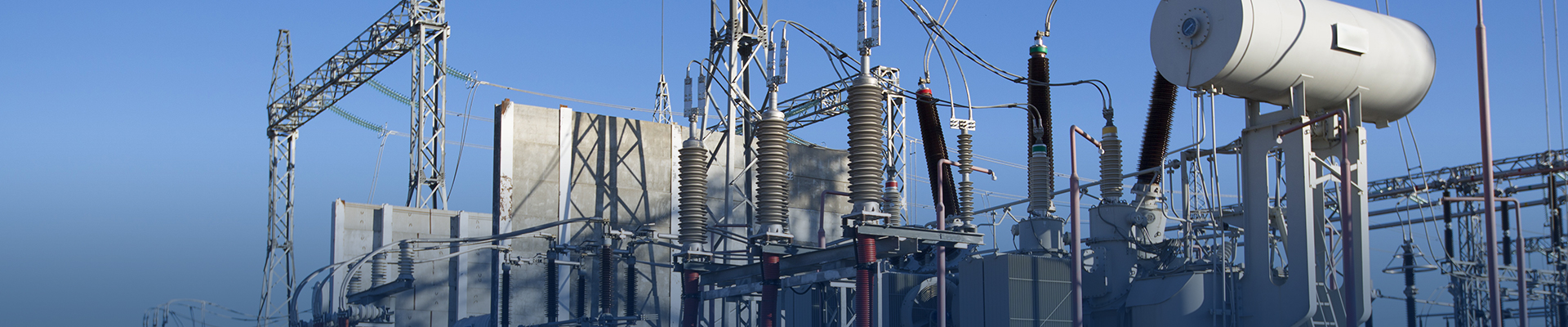
Oil cooled power transformers help you manage large-scale electricity needs by using special insulating oils for cooling and protection. You often find them in power plants, homes, factories, hospitals, and railways. Knowing their strengths and weaknesses lets you make safer, more cost-effective choices for reliable power.
Oil cooled transformers provide excellent heat dissipation, preventing overheating and ensuring reliable performance even under heavy loads.
These transformers offer strong insulation properties, enhancing safety and efficiency in high-voltage applications.
Regular maintenance is crucial for oil cooled transformers to prevent leaks and ensure optimal operation, which can increase operational workload.
You often see an oil cooled power transformer in places where reliable electricity is essential. This device uses insulating oil to keep its internal parts cool and safe. The oil flows inside the transformer, absorbing heat from the core and windings. As the oil heats up, it rises and moves to cooler areas, releasing heat into the environment through convection. This process helps the transformer work efficiently and prevents overheating.
Here’s how the main components work together:
| Component | Function |
|---|---|
| Tank | Holds the windings and transformer oil; supports other accessories. |
| Iron Core | Creates magnetic flux when you apply AC voltage. |
| Windings | Primary winding receives input; secondary winding provides output. |
| Transformer Oil | Insulates and removes heat from the core and windings. |
| Terminal and Bushing | Connects power supply cables; bushings insulate connections. |
| Tap Changer | Adjusts voltage levels for different needs. |
| Explosion Vent | Warns you about internal faults in the oil. |
| Buchholz Relay | Monitors gases from faults and signals issues early. |
Tip: You can rely on oil-immersed transformers for both cooling and insulation, which makes them suitable for demanding environments.
You find oil-immersed transformers in many industries because they handle large-scale power needs well. These transformers play a key role in power generation, industrial operations, commercial buildings, and transportation systems.
| Industry/Sector | Application Description |
|---|---|
| Power Generation | Supports efficient power generation, transmission, and distribution in power plants. |
| Industrial Applications | Helps measure and control electrical currents in factories. |
| Commercial Buildings | Manages and distributes electrical power in modern infrastructures. |
| Transportation (Railway) | Ensures smooth operation and accurate current measurement in electrified rail systems. |
You choose an oil cooled power transformer for outdoor setups and high voltage requirements. These transformers offer superior reliability and a longer lifespan, making them a preferred choice for critical applications.
You benefit from fast heat dissipation when you use an oil cooled power transformer. The oil inside the transformer absorbs heat from the core and windings, then moves it away efficiently. This process keeps the temperature stable, even during heavy loads. In large utility substations, this advantage helps prevent overheating and equipment failure.
Note: The cooling method greatly affects heat dissipation performance. Oil-immersed transformers use different cooling techniques, such as ONAN (Oil Natural Air Natural), ONAF (Oil Natural Air Forced), and OFAF (Oil Forced Air Forced). Each method increases the rate at which heat leaves the transformer.
| Cooling Method | Description | Effectiveness |
|---|---|---|
| ONAN | Oil Natural Air Natural | Limited heat dissipation capacity due to compact structure and reliance on natural convection. |
| ONAF | Oil Natural Air Forced | Enhanced heat transfer rate by increasing fluid velocity with a fan. |
| OFAF | Oil Forced Air Forced | Further improves cooling for transformers with larger heat generation rates. |
Special tank designs, such as V-shaped raised structures, also improve thermal efficiency. You see optimal heat dissipation performance in cone-shaped tanks, which disrupt the boundary layer and allow more heat to escape.
You rely on oil-cooled transformers for their good insulation properties. The oil not only cools the transformer but also insulates the internal components. This dual function protects the windings and core from electrical faults. When you combine transformer oil with paper insulation, you get a 23% increase in dielectric strength compared to using solid insulation alone. This makes oil-immersed transformers a popular choice for high-voltage applications.
Regular maintenance, such as oil testing and replacement, keeps the insulation strong. The type and quality of oil, along with your maintenance practices, directly affect the insulation's ability to withstand operational stresses.
| Factor | Impact on Insulation Performance |
|---|---|
| Type of Oil | Affects insulation decay rate and cooling efficiency |
| Quality of Oil | Determines insulation's ability to withstand operational stresses |
| Maintenance Practices | Essential for preserving insulation integrity and cooling performance |
Tip: You should test and filter the oil regularly to prevent moisture contamination, oxidation, and overheating. These steps help extend the operational lifespan of your transformer.
You choose an oil cooled power transformer when you need to handle large amounts of electricity. These transformers support high power capacities, making them ideal for regional transmission, power plants, and national grid systems. Oil as a cooling medium allows the transformer to manage higher continuous current ratings and significant loads.
| Category | Power Capacity | Typical Use Case |
|---|---|---|
| Large Power Transformer | 100 MVA – 400 MVA | Regional transmission |
| Extra Large (GSU/Grid) | 400 MVA – 1,200+ MVA | Power plants, interconnection transformers |
| UHV (500 kV – 765 kV+) | 500 MVA – 1,200+ MVA | Bulk transmission, national grid backbones |
You also benefit from enhanced overload capacity and high voltage capability. Oil-cooled transformers can reach up to 1,000kV, while dry type alternatives have lower voltage limits.
| Feature | Oil Cooled Transformers | Dry Type Transformers |
|---|---|---|
| Cooling Medium | Oil | Air |
| Overload Capacity | Enhanced | Limited |
| High Voltage Capacity | Up to 1,000kV | Lower |
| Heat Dissipation Efficiency | High | Moderate |
Oil serves as an effective cooling medium, dissipating heat more efficiently.
This leads to increased continuous current ratings.
Enhanced cooling allows for handling significant loads and high voltage capacities.
You often find oil-cooled transformers more cost-effective than dry type models. The oil used for cooling and insulation costs less than the advanced materials in dry type transformers. This lower production cost makes oil-immersed transformers a practical choice for large-scale projects.
Dry-type transformers usually cost more because of their insulation system and added safety features. Oil-cooled transformers offer you a balance between performance and price, especially when you need high efficiency and reliability.
Note: While oil-cooled transformers may require more frequent maintenance, their initial purchase price remains lower. This advantage makes them attractive for utilities and industries that need to manage budgets without sacrificing efficiency.
When you consider using an oil cooled power transformer, you need to weigh several disadvantages. These drawbacks can affect safety, the environment, and your maintenance workload. Understanding these issues helps you make better decisions for your facility or project.
Oil leakage stands out as one of the most common disadvantages. Leaks can happen for several reasons, and each one brings its own set of problems. Here are the main causes of oil leaks in transformers:
Sealant aging and cracking: Over time, the sealant inside the transformer can break down, especially when exposed to high temperatures. This leads to oil escaping from the tank.
Poor quality of butterfly valve: Older transformers often use valves that do not seal well. These valves can let oil seep out due to their design or material flaws.
Improper installation methods: If the installation team does not tighten bolts evenly or connects flanges incorrectly, oil can leak from these weak points.
When oil leaks, you face more than just equipment damage. The oil can contaminate soil and water, harming plants and animals. If the leak reaches groundwater, it can even threaten drinking water supplies. Oil on the surface of water blocks oxygen, which can suffocate fish and other aquatic life. You also risk regulatory fines and public liability if you do not address leaks quickly.
Alert: Oil leaks not only damage the environment but also increase the risk of fire and toxic exposure, especially if your transformer uses older PCB-based oils.
Another major disadvantage is the risk of fire. Oil acts as both a coolant and an insulator, but it is also flammable. If a leak occurs or the transformer overheats, you could face a dangerous fire situation. Fires can start quickly and spread to nearby equipment or buildings.
To reduce the risk of fire, you should use advanced fire prevention measures. The table below shows some of the most effective methods used in high-risk environments:
| Measure Type | Description |
|---|---|
| Advanced Detection Technologies | AI/IoT sensors monitor oil temperature and gas emissions, reducing response times to under 10 seconds. |
| Nitrogen Injection Systems | These systems can suppress fires reaching 1,900°C in less than 90 seconds. |
| Suppression Systems | Water mist systems cool transformers without contaminating the oil, with a 94% success rate. |
| Foam Barriers | These barriers limit fire spread to less than 10 meters in outdoor incidents. |
| Structural Mitigation | Four-hour firewalls contain 98% of oil fires, protecting nearby assets. |
| Undergrounding | Placing transformers underground reduces fire-linked outages by over 50%. |
| Regulatory Frameworks | NFPA 850 requires foam or water spray systems for oil-insulated transformers to lower ignition risks. |
Even with these measures, you must remain vigilant. Fires in oil cooled transformers can cause severe property damage and pose a threat to human life.
You will notice that oil cooled transformers require more frequent and detailed maintenance than dry type models. This is a significant disadvantage if you want to minimize downtime and labor costs. Regular maintenance helps prevent leaks, overheating, and insulation breakdown, but it also adds to your operational workload.
Here is a typical maintenance schedule for oil cooled transformers:
| Frequency | Maintenance Tasks |
|---|---|
| Daily | Check oil and temperature levels, ensure gauges are working. |
| Monthly | Inspect for oil leaks, confirm normal temperature and oil readings. |
| Every 3-4 Months | Clean radiator fins, check cooling fans, inspect grounding connections. |
| Annually | Take oil samples for dissolved gas analysis, test insulation resistance, service tap changer. |
| Every Few Years | Replace or filter oil, check for sludge, inspect bushings. |
You need to perform daily, weekly, monthly, and yearly checks. Tasks include oil testing, cleaning, tightening hardware, and running electrical tests. In contrast, dry type transformers require less frequent attention, which can save you time and money.
Tip: Skipping regular maintenance increases the chance of leaks, overheating, and even transformer failure.
Installing an oil cooled power transformer involves more steps and planning than installing a dry type unit. This complexity is another disadvantage you must consider. Several factors contribute to the challenge:
You need to choose the right cooling system for your specific environment and operational needs.
Environmental conditions, such as temperature and humidity, affect your choice of cooling method.
You must consider how close the transformer will be to load centers.
Safety is a top priority, so you need to plan for fire prevention and emergency access.
Maintenance access must be easy to ensure ongoing inspections and repairs.
Each of these factors can make installation more time-consuming and expensive. You may need to build special foundations, install fire barriers, or add extra monitoring equipment. These requirements can delay your project and increase costs.
Note: The disadvantages of oil cooled transformers often become clear during installation and early operation. Planning ahead helps you avoid costly mistakes.
You will notice several important differences between oil cooled and dry-type transformer designs. Oil cooled transformers use oil as both a cooling and insulating medium, which allows them to handle higher voltages and larger loads. In contrast, a dry-type transformer uses air for cooling and insulation, which limits its voltage capacity but makes it safer for certain settings.
| Transformer Type | Cooling Medium | Voltage Capacity | Performance Characteristics |
|---|---|---|---|
| Dry-Type Transformer | Air | Up to 35kV | Efficient heat dissipation, but limited by air cooling |
| Oil-Filled Transformer | Oil | Higher than 35kV | Superior heat transfer, ideal for demanding environments |
You will find that a dry-type transformer requires less frequent maintenance because it does not rely on oil, which can degrade over time. Oil cooled transformers need regular oil checks and testing to prevent leaks and maintain performance. Dry-type transformers also avoid the risk of oil spills, making them more environmentally friendly and suitable for indoor use.
When you compare efficiency, oil cooled transformers usually have lower no-load and load losses. For example, oil-immersed models show no-load losses of 0.2–0.3% of rated power, while dry-type transformers range from 0.3–0.5%.
You should choose a transformer based on where you plan to install it. Oil cooled transformers work best outdoors or in industrial areas where you need high capacity and efficiency. They are essential for power transmission systems, rural grids, and heavy industrial equipment.
A dry-type transformer fits better in indoor environments, such as commercial buildings or hospitals. It does not pose a fire hazard or risk of oil leaks, so you can use it safely in densely populated or enclosed spaces.
| Environment Type | Preferred Transformer | Reason for Preference |
|---|---|---|
| Outdoor/Industrial | Oil Cooled Power | Handles large energy loads with high efficiency |
| Indoor | Dry-Type Transformer | Offers safety, compactness, and environmental benefits |
| Power Transmission Systems | Oil Cooled Power | Supports high-voltage lines over long distances |
| Industrial Operations | Oil Cooled Power | Powers energy-intensive equipment like furnaces |
| Rural Power Grids | Oil Cooled Power | Delivers stable electricity cost-effectively |
Tip: Avoid using oil cooled transformers indoors. They can create fire hazards and cause environmental pollution if leaks occur. You can rely on a dry-type transformer for safe, clean, and low-maintenance operation in indoor settings.
You gain high load capacity, strong heat handling, and long-term reliability—often 30 to 50 years—with oil cooled transformers. However, you face higher installation and maintenance costs, plus fire and leak risks. Use the table below to compare key factors before choosing the best transformer for your needs:
| Factor | Oil-Immersed | Dry-Type |
|---|---|---|
| Load Capacity | Higher | Lower |
| Fire Risk | Present | Minimal |
| Maintenance Cost | Moderate | Lower |
| Lifespan (years) | 30–50 | 20–30 |
You should check oil levels, inspect for leaks, and test insulation regularly. Replace or filter oil as needed. Schedule annual professional inspections for best results.
You should avoid using oil cooled transformers indoors. They pose fire and leak risks. Dry-type transformers work better for indoor environments and offer safer operation.
You can expect an oil cooled transformer to last 30 to 50 years. Regular maintenance and proper installation help extend its service life.

Electrical Transformer Procurement Checklist: Sizing, Standards, Testing and Delivery
Electrical transformer procurement involves more than requesting several prices for the same kVA rating. A technically incomplete inquiry can produce offers that look comparable but include different insulation levels, losses, etc.
Jul. 30, 2026

How to Choose the Right Electrical Transformer for Your Project
Selecting an electrical transformer is not simply a matter of matching an incoming voltage to an outgoing voltage. The transformer must also support the real load profile, withstand expected fault conditions, operate within the site environment.
Jul. 30, 2026